
Silicon Carbide vs Aluminum Oxide Sandpaper: Which Is Better?
For coated-abrasive manufacturers and industrial buyers: the grain choice should be validated with the backing, bond, pressure and target finish—not selected by hardness alone.
When comparing sandpaper silicon carbide vs aluminum oxide, the best choice depends on the material you are sanding and the finish you want to achieve.
For most general sanding jobs, aluminum oxide sandpaper is the better all-purpose choice because it is durable, cost-effective, and suitable for wood, metal, paint removal, および表面の準備.
Silicon carbide sandpaper is better for wet sanding, automotive paint, ガラス, plastic, 石, セラミック, and fine finishing because it has a sharper cutting edge. しかし, it is more brittle and may wear faster under heavy pressure.
In simple terms:
Aluminum oxide = better for durability, wood, metal, and general sanding.
Silicon carbide = better for sharp cutting, wet sanding, hard surfaces, and fine finishing.
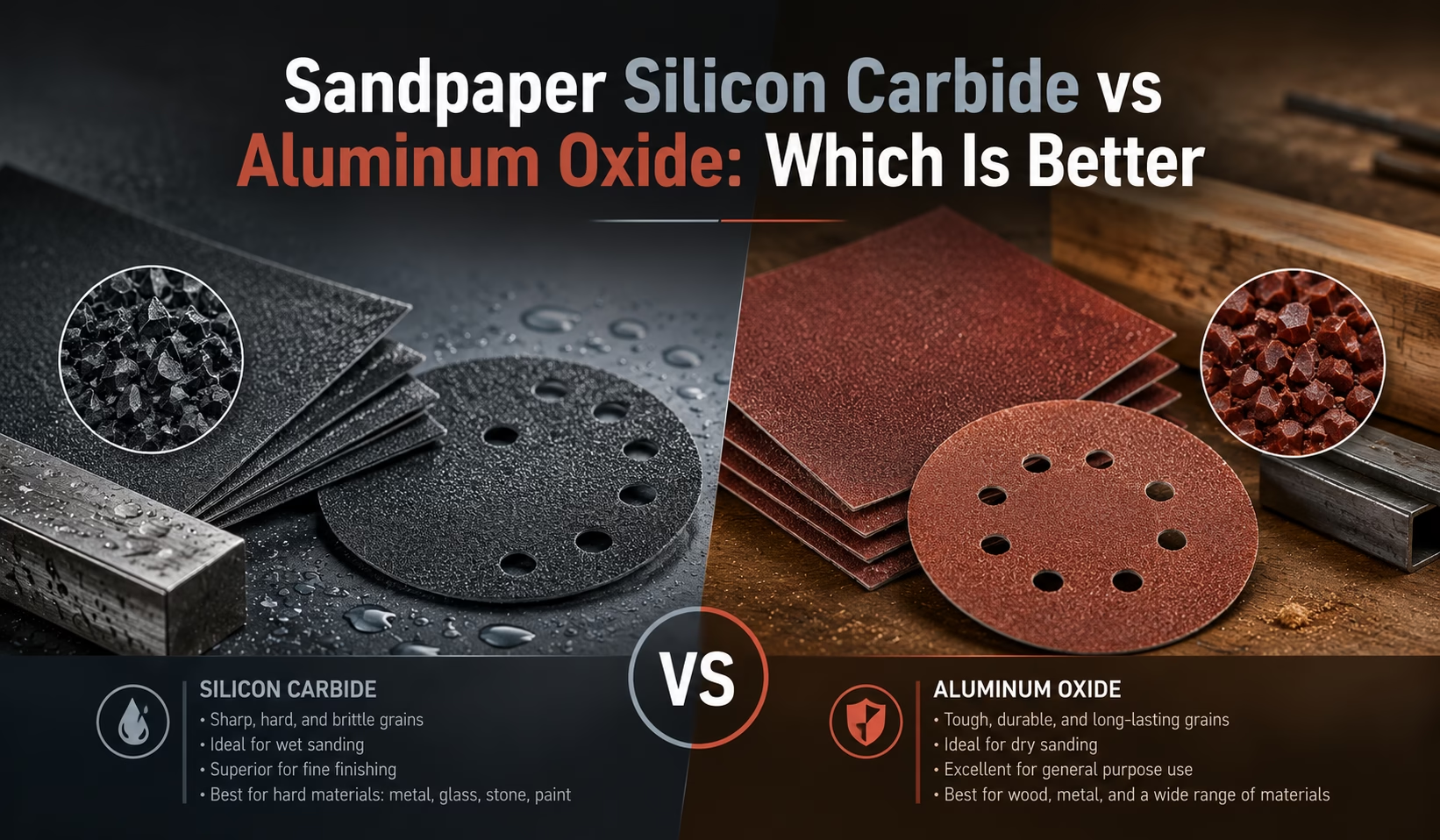
Quick Answer: Silicon Carbide vs Aluminum Oxide Sandpaper
| Question | Better Choice |
| Best for general sanding | Aluminum oxide |
| Best for wood | Aluminum oxide |
| Best for metal | Aluminum oxide |
| Best for wet sanding | Silicon carbide |
| Best for automotive paint | Silicon carbide |
| Best for glass | Silicon carbide |
| Best for plastic | Silicon carbide |
| Best for stone or marble | Silicon carbide |
| Longer abrasive life | Aluminum oxide |
| Sharper initial cut | Silicon carbide |
| Better all-around value | Aluminum oxide |
If you only need one type of sandpaper for daily use, choose aluminum oxide sandpaper.
If your work requires wet sanding, 研磨, or finishing hard and smooth surfaces, choose silicon carbide sandpaper.
What Is Silicon Carbide Sandpaper?
Silicon carbide sandpaper is made with silicon carbide abrasive grain, a very hard and sharp synthetic abrasive. It cuts quickly and works well on hard, brittle, or coated surfaces.
Because silicon carbide grains are sharper, they can remove material with less pressure. This makes them useful when you need a clean surface finish instead of heavy material removal.
Silicon carbide sandpaper is commonly used for:
- Wet sanding
- Automotive paint finishing
- Clear coat sanding
- Primer sanding
- Glass edge smoothing
- Plastic finishing
- Fiberglass sanding
- Stone polishing
- Ceramic surface finishing
- Fine surface preparation before polishing
One important thing to know is that silicon carbide is hard but brittle. Under heavy pressure, the abrasive grains can break down faster than aluminum oxide. This is why silicon carbide is often used for finishing, 研磨, and wet sanding rather than heavy-duty dry sanding.
What Is Aluminum Oxide Sandpaper?
Aluminum oxide sandpaper is made with aluminum oxide abrasive grain, one of the most widely used abrasive materials in sanding products. It offers a strong balance of cutting power, 靭性, durability, and cost performance.
Aluminum oxide is less brittle than silicon carbide. During sanding, the grain can gradually fracture and expose new cutting edges, helping the sandpaper continue cutting for a longer time.
Aluminum oxide sandpaper is commonly used for:
- Wood sanding
- Hardwood and softwood sanding
- Metal sanding
- Rust removal
- Paint removal
- Surface preparation
- Deburring
- Furniture sanding
- Cabinet sanding
- Belt sanding
- Disc sanding
- General workshop sanding
For most woodworking, metalworking, and general industrial sanding applications, aluminum oxide is the more practical choice.
Silicon Carbide vs Aluminum Oxide: Main Differences
The main difference between silicon carbide and aluminum oxide sandpaper is the balance between sharpness and toughness.
Silicon carbide is sharper and cuts faster at the beginning. It is especially good for hard materials and fine finishes. Aluminum oxide is tougher and lasts longer, making it better for general sanding and heavier work.
| Feature | Silicon Carbide Sandpaper | Aluminum Oxide Sandpaper |
| Grain character | Very sharp and hard | 丈夫で耐久性のある |
| Cutting speed | Fast initial cut | Stable long-lasting cut |
| Durability | Lower under heavy pressure | Higher in general sanding |
| Best sanding method | Wet sanding and fine finishing | Dry sanding and general sanding |
| Surface finish | Smooth, clean finish | Good preparation finish |
| Best material types | ガラス, plastic, 石, ペイント, セラミック | Wood, metal, paint removal, general surfaces |
| Common forms | Waterproof paper, finishing sheets, polishing abrasives | Sanding belts, discs, rolls, sheets |
| Best user type | Finishers, auto body shops, polishing users | Woodworkers, metalworkers, manufacturers |
Which Sandpaper Should You Use by Material?
Choosing the right abrasive becomes much easier when you start with the material you are sanding.
| Material or Job | Better Choice | Why |
| Raw wood | Aluminum oxide | More durable for repeated sanding |
| Hardwood | Aluminum oxide | Handles pressure and machine sanding better |
| Softwood | Aluminum oxide | Good balance of cut and lifespan |
| Furniture sanding | Aluminum oxide | Suitable for shaping and finishing preparation |
| Cabinet sanding | Aluminum oxide | Consistent performance for wood surfaces |
| Steel | Aluminum oxide | Tough grain for metal surface preparation |
| Aluminum metal | Aluminum oxide | Good for general sanding and preparation |
| Rust removal | Aluminum oxide | Better durability under pressure |
| Paint removal | Aluminum oxide | More practical for heavier sanding |
| Automotive primer | Silicon carbide | Good for wet sanding and surface leveling |
| Automotive clear coat | Silicon carbide | Produces a smoother finishing result |
| ガラス | Silicon carbide | Sharp grain cuts hard brittle surfaces |
| Plastic | Silicon carbide | Cleaner finish with less pressure |
| Fiberglass | Silicon carbide | Effective for finishing and surface smoothing |
| Stone | Silicon carbide | Better for polishing hard surfaces |
| Marble | Silicon carbide | Suitable for polishing and fine finishing |
| Ceramic | Silicon carbide | Works well on hard brittle materials |
| General workshop use | Aluminum oxide | More versatile and economical |
Which Is Better for Wood?
For wood sanding, aluminum oxide sandpaper is usually better.
Wood sanding often requires durability, especially when sanding raw wood, hardwood, furniture parts, cabinets, floors, or plywood. Aluminum oxide holds up well during hand sanding and machine sanding.
Use aluminum oxide sandpaper for:
- Sanding raw wood
- Removing saw marks
- Smoothing furniture
- Preparing wood before painting
- Preparing wood before staining
- Sanding between coating layers
- Orbital sanding
- Belt sanding
Silicon carbide can be used on painted wood, lacquer, sealer, or finish layers, but it is not usually the first choice for raw wood sanding. It may cut fast at the beginning, but it can wear faster than aluminum oxide under pressure.
Best choice for wood: Aluminum oxide sandpaper
Which Is Better for Metal?
For general metal sanding, aluminum oxide sandpaper is usually the better choice.
Aluminum oxide is tough enough for steel, aluminum, brass, and many common metal surfaces. It is widely used for deburring, rust removal, surface cleaning, and preparation before coating.
Use aluminum oxide sandpaper for:
- Steel sanding
- Aluminum surface preparation
- Rust removal
- Deburring
- Paint removal from metal
- Weld cleaning
- General metal finishing
Silicon carbide can also be used on metal when a finer finish is required, but for heavier sanding and longer abrasive life, aluminum oxide is usually more cost-effective.
Best choice for general metal sanding: Aluminum oxide sandpaper
Which Is Better for Wet Sanding?
For wet sanding, silicon carbide sandpaper is usually better.
Silicon carbide is often used with waterproof backing. When used with water, it can reduce heat, wash away sanding dust, reduce clogging, and create a smoother finish.
Silicon carbide wet sanding is commonly used for:
- Automotive paint
- Primer
- Clear coat
- Plastic
- Fiberglass
- ガラス
- Stone
- Fine polishing preparation
例えば, in automotive finishing, silicon carbide sandpaper is often used to level primer, smooth clear coat, remove small surface defects, and prepare the surface for polishing.
Best choice for wet sanding: Silicon carbide sandpaper
Which Is Better for Automotive Paint?
For automotive paint and clear coat finishing, silicon carbide sandpaper is often preferred, especially for wet sanding.
It is commonly used for:
- Primer sanding
- Clear coat leveling
- Removing orange peel
- Fine surface correction
- Polishing preparation
- Paint defect repair
The sharp cutting edge of silicon carbide helps create a cleaner and finer scratch pattern. When used with water, it gives better control and reduces heat buildup.
Aluminum oxide can still be used for rough paint removal or earlier surface preparation, but for fine automotive finishing, silicon carbide is usually the better option.
Best choice for automotive paint finishing: Silicon carbide sandpaper
Which Is Better for Glass, Plastic, and Stone?
For glass, plastic, 石, 大理石, セラミック, and fiberglass, silicon carbide sandpaper is usually better.
These materials need a sharp abrasive that can cut cleanly without requiring too much pressure. Silicon carbide performs well because it is very hard and sharp.
Use silicon carbide sandpaper for:
- Glass edge smoothing
- Plastic surface finishing
- Fiberglass smoothing
- Stone polishing
- Marble finishing
- Ceramic sanding
- Hard surface polishing
Aluminum oxide is not usually the best option for these materials because it is not as sharp as silicon carbide and may not produce the same clean finish.
Best choice for glass, plastic, and stone: Silicon carbide sandpaper
Which Sandpaper Lasts Longer?
In most general sanding applications, aluminum oxide sandpaper lasts longer than silicon carbide sandpaper.
This is because aluminum oxide is tougher and less brittle. It can handle more pressure and repeated sanding better, especially on wood and metal.
Silicon carbide cuts faster at the beginning, but the grains can break down more quickly under heavy pressure. That is why silicon carbide is better for sharp cutting, fine finishing, and wet sanding rather than long heavy-duty sanding.
If your priority is longer abrasive life, choose aluminum oxide.
If your priority is a sharper cut and smoother finish, choose silicon carbide.
Grit Selection Guide
The abrasive material is important, but grit size also affects the final result.
| Grit Range | Common Use |
| 40–80 grit | Heavy material removal, rough shaping, paint removal |
| 100–150 grit | General sanding and surface leveling |
| 180–240 grit | Smoothing before painting or coating |
| 320–600 grit | Fine sanding, primer sanding, surface refinement |
| 800–2000+ grit | Wet sanding, 研磨, automotive finishing |
For rough sanding, start with a lower grit. For finishing, move gradually to finer grits. Avoid jumping from very coarse grit directly to very fine grit, because deep scratches may remain on the surface.
Industrial Buyer Guide: Which Abrasive Is More Suitable?
For industrial buyers, the choice depends on production process, workpiece material, sanding pressure, and finish requirement.
Choose aluminum oxide sandpaper if you need:
- Large-volume sanding
- Woodworking abrasives
- Metal surface preparation
- Sanding belts
- Sanding discs
- General abrasive sheets
- Longer service life
- Better cost performance
Choose silicon carbide sandpaper if you need:
- Waterproof abrasive paper
- Wet sanding abrasives
- Automotive finishing abrasives
- Glass polishing abrasives
- Plastic finishing abrasives
- Stone polishing abrasives
- Fine grit abrasive products
- Sharp cutting performance
In production sanding, aluminum oxide is commonly selected when abrasive life and cost control are important. Silicon carbide is commonly selected when sharp cutting, smooth finishing, and wet sanding performance are more important.
Pros and Cons of Silicon Carbide Sandpaper
利点
Silicon carbide sandpaper has a very sharp cutting edge. It cuts fast and works well on hard, brittle, or coated surfaces. It is also a strong choice for wet sanding and fine finishing.
Disadvantages
Silicon carbide is more brittle than aluminum oxide. Under heavy pressure, it can wear faster. It is not always the most economical choice for long sanding sessions on wood or metal.
Pros and Cons of Aluminum Oxide Sandpaper
利点
Aluminum oxide sandpaper is durable, versatile, and cost-effective. It works well on wood, metal, paint removal, and general surface preparation. It is also suitable for hand sanding and power sanding.
Disadvantages
Aluminum oxide is not as sharp as silicon carbide. For glass, 石, plastic, and fine wet sanding, it may not produce the same smooth finish as silicon carbide.
Final Recommendation
If you are choosing sandpaper for general use, aluminum oxide sandpaper is the safer and more versatile choice. It is durable, affordable, and suitable for wood, metal, paint removal, and most workshop sanding jobs.
If you are choosing sandpaper for wet sanding, automotive finishing, ガラス, plastic, 石, セラミック, or polishing work, silicon carbide sandpaper is the better choice. It cuts sharper and can produce a finer surface finish.
The easiest way to decide is:
Use aluminum oxide when you need durability.
Use silicon carbide when you need sharp cutting and fine finishing.
FAQ About Sandpaper Silicon Carbide vs Aluminum Oxide
Is silicon carbide sandpaper better than aluminum oxide?
Silicon carbide sandpaper is better for wet sanding, ガラス, plastic, 石, セラミック, automotive paint, and fine finishing. Aluminum oxide sandpaper is better for wood, metal, paint removal, and general sanding.
Which sandpaper is better for wood?
Aluminum oxide sandpaper is better for wood. It is more durable and works well for raw wood sanding, furniture sanding, cabinet sanding, and sanding between coating layers.
Which sandpaper is better for metal?
Aluminum oxide sandpaper is usually better for general metal sanding. It is suitable for steel, aluminum, rust removal, deburring, および表面の準備.
Which sandpaper is better for wet sanding?
Silicon carbide sandpaper is better for wet sanding. It works well with waterproof backing and is commonly used for automotive paint, primer, clear coat, plastic, ガラス, and stone.
Does silicon carbide sandpaper last longer?
Not usually. Silicon carbide cuts very sharply, but it is more brittle. Aluminum oxide sandpaper usually lasts longer in general sanding applications.
Can silicon carbide sandpaper be used on wood?
はい, silicon carbide sandpaper can be used on wood finishes, ペイント, sealer, or lacquer. しかし, for raw wood sanding, aluminum oxide is usually a better choice.
Can aluminum oxide sandpaper be used for wet sanding?
Some aluminum oxide abrasive products can be used for wet sanding if they are made with waterproof backing, but silicon carbide is more commonly used for wet sanding and fine finishing.
Which sandpaper is best for automotive clear coat?
Silicon carbide sandpaper is usually better for automotive clear coat sanding because it gives a finer finish and works well in wet sanding applications.
Which sandpaper should I buy for general home or workshop use?
For general use, aluminum oxide sandpaper is usually the best choice. It works on wood, metal, ペイント, and many common surfaces.
Which sandpaper should industrial buyers choose?
Industrial buyers should choose aluminum oxide for high-volume wood sanding, metal preparation, and general abrasive products. They should choose silicon carbide for wet sanding, automotive finishing, glass polishing, plastic finishing, and stone polishing applications.


